

Commercial Roofing Services
Built-Up Roofing (BUR)

Free Inspection

Fast Leak Diagnosis

All Roof Systems

Repair-First Honesty
24/7 Emergency

Get a Free Inspection
Roofing Systems
Need a Roof Repair Now?
Call us for fast service and 24/7 emergency response across West Georgia.
Mon–Fri 7am–5pm · 24/7 Emergency
Built-Up Roofing (BUR)
The Time-Tested Flat Roof That Just Keeps Working
Built-Up Roofing has protected commercial buildings for over a century, and it still earns its reputation in Georgia’s heat and storms. We layer alternating plies of asphalt bitumen and reinforcing fabric, then top the assembly with gravel or a cap sheet. The result is a thick, redundant, monolithic membrane with no single point of failure. For low-slope and flat roofs that take real abuse, few systems match the durability and dependable waterproofing of a properly installed BUR roof.
Benefits of a Built-Up Roof

Multi-Ply Redundancy
Several bonded plies mean that if one layer is compromised, the layers beneath continue keeping water out of your building.

Superior Waterproofing
Continuous asphalt and fabric plies form a seamless, monolithic barrier that excels at sealing flat and low-slope commercial roofs.

Strong UV Protection
The gravel surface shields the bitumen from sun damage, slowing the drying and cracking that ages exposed flat roofs.

Foot-Traffic Ready
That rugged gravel top stands up to maintenance crews, HVAC service, and regular rooftop access without tearing or punctures.

Decades-Proven Durability
BUR has performed on commercial buildings for over a hundred years, giving you a track record few newer systems can claim.

Low-Maintenance Toughness
The heavy, thick assembly resists weather, abrasion, and impact, so your roof needs less frequent attention over its long life.
How We Install Built-Up Roofing

1 · Inspect & Prep the Deck
We evaluate the existing deck, address any rot or moisture, and prepare a clean, sound substrate for the new assembly.

2 · Set the Base & Insulation
A base sheet and rigid insulation are secured to the deck, creating the foundation and thermal layer for the plies above.

3 · Build the Plies
We alternate layers of hot or cold bitumen and reinforcing felt, building the redundant, watertight membrane ply by ply.

4 · Apply the Surfacing
We finish with embedded gravel or a cap sheet to protect the bitumen from UV and foot traffic, then verify every detail.
BUR Compared to Single-Ply and Modified Bitumen
Single-ply membranes like TPO install fast and reflect heat, while modified bitumen offers a tough two-ply option, but neither matches the layered redundancy of a true built-up roof. BUR trades some weight and a higher labor cost for a thicker, more puncture-resistant assembly that shrugs off heavy foot traffic. The right choice depends on your building, budget, and goals — explore all of our commercial roofing systems → to compare.
| Feature | BUR | Modified Bitumen | TPO |
|---|---|---|---|
| Construction | Multi-ply + gravel | Asphalt sheets | Single-ply membrane |
| Layers | Multiple (redundant) | Typically 2-ply | Single layer |
| Foot-traffic resistance | Excellent | Good | Fair |
| Surface | Gravel / cap sheet | Granulated / smooth | Reflective white |
| Relative cost | $$ | $$ | $$ |
| Typical lifespan | 20–30 yrs | 20 yrs | 20–30 yrs |
Is Built-Up Roofing Right for You?
If you own a flat or low-slope commercial building that sees regular rooftop traffic and you want a system with a long, proven track record, BUR is hard to beat. It carries more weight and a higher upfront cost than a single-ply roof, so your deck and budget matter. Not sure which system fits best? Contact our team for an honest, no-pressure assessment.
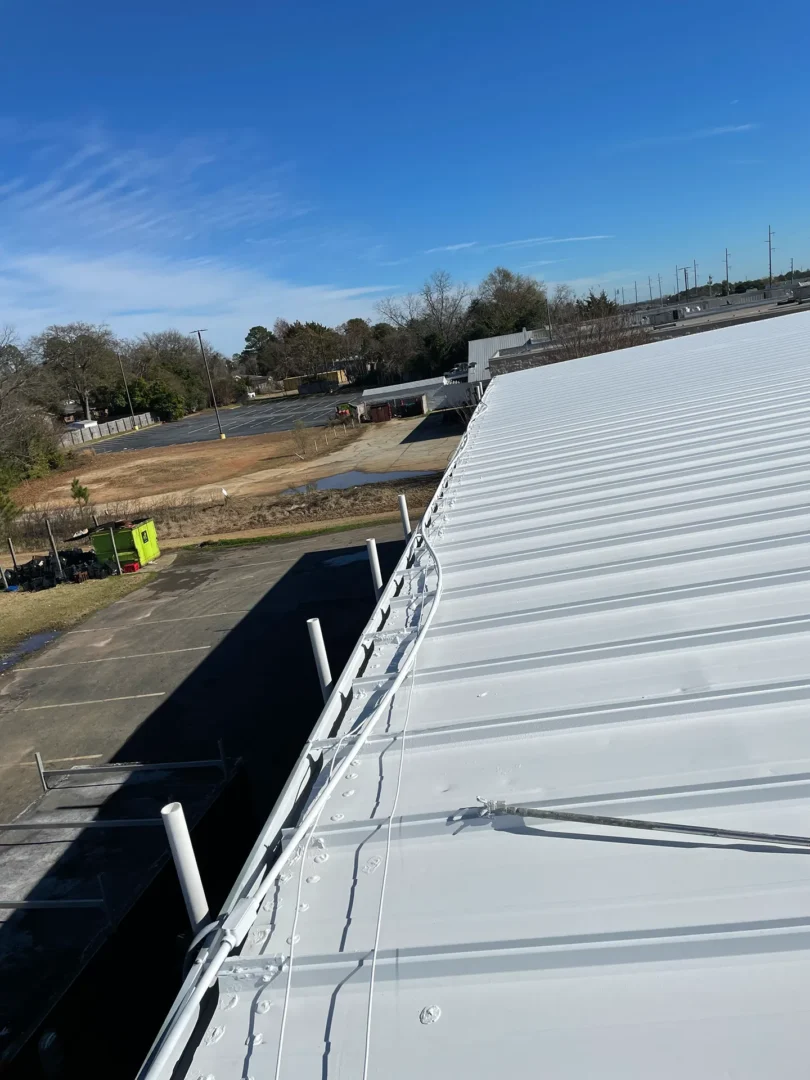
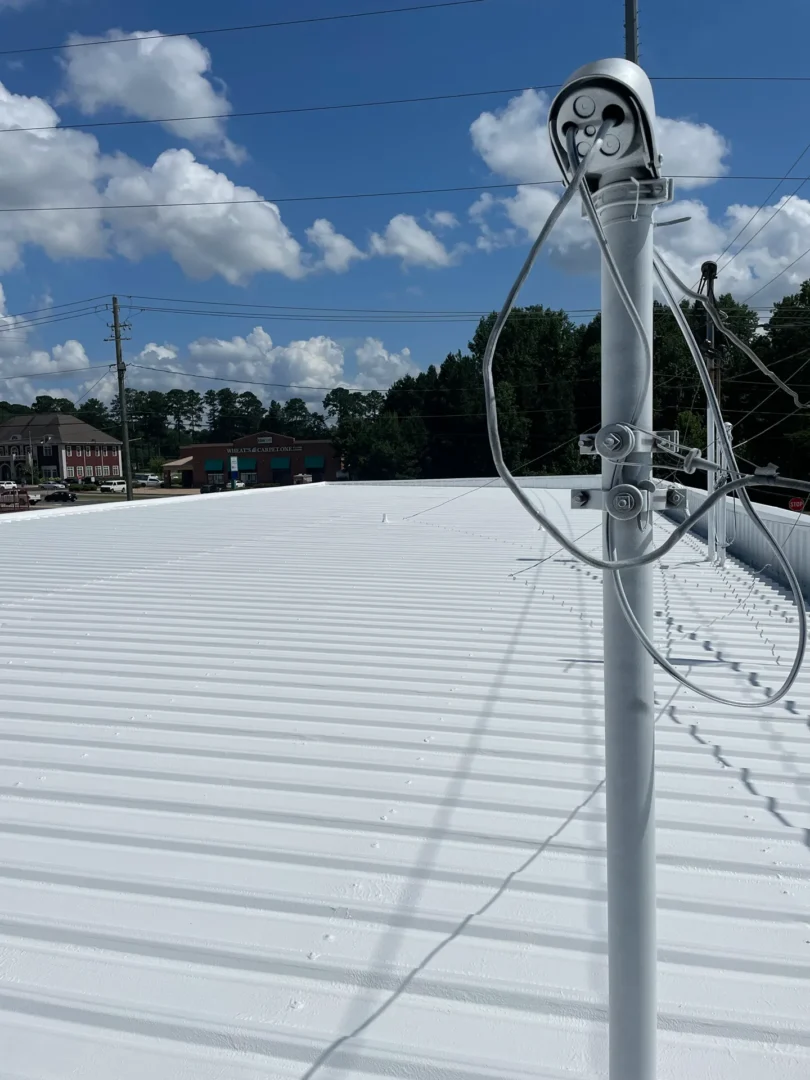
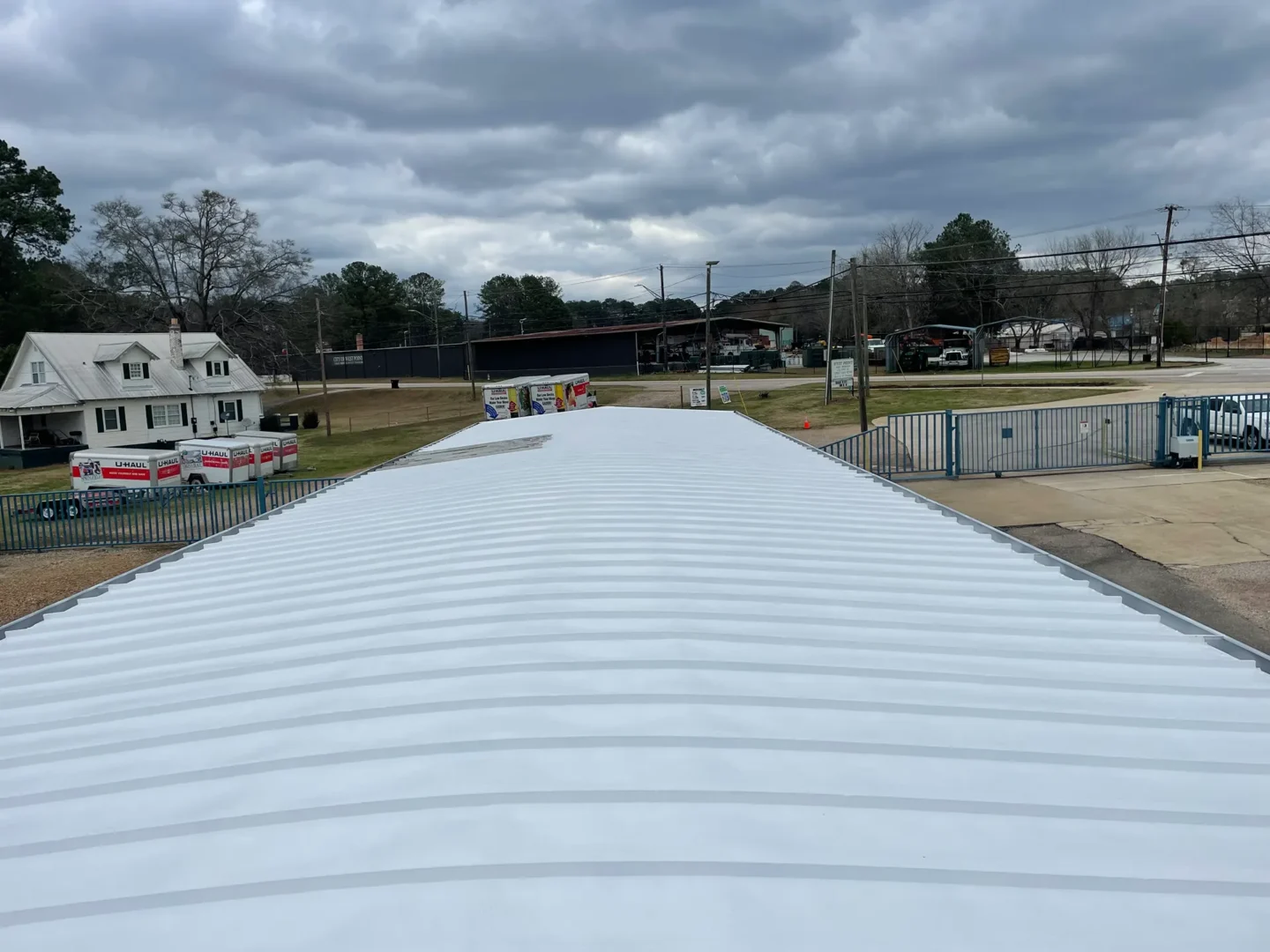
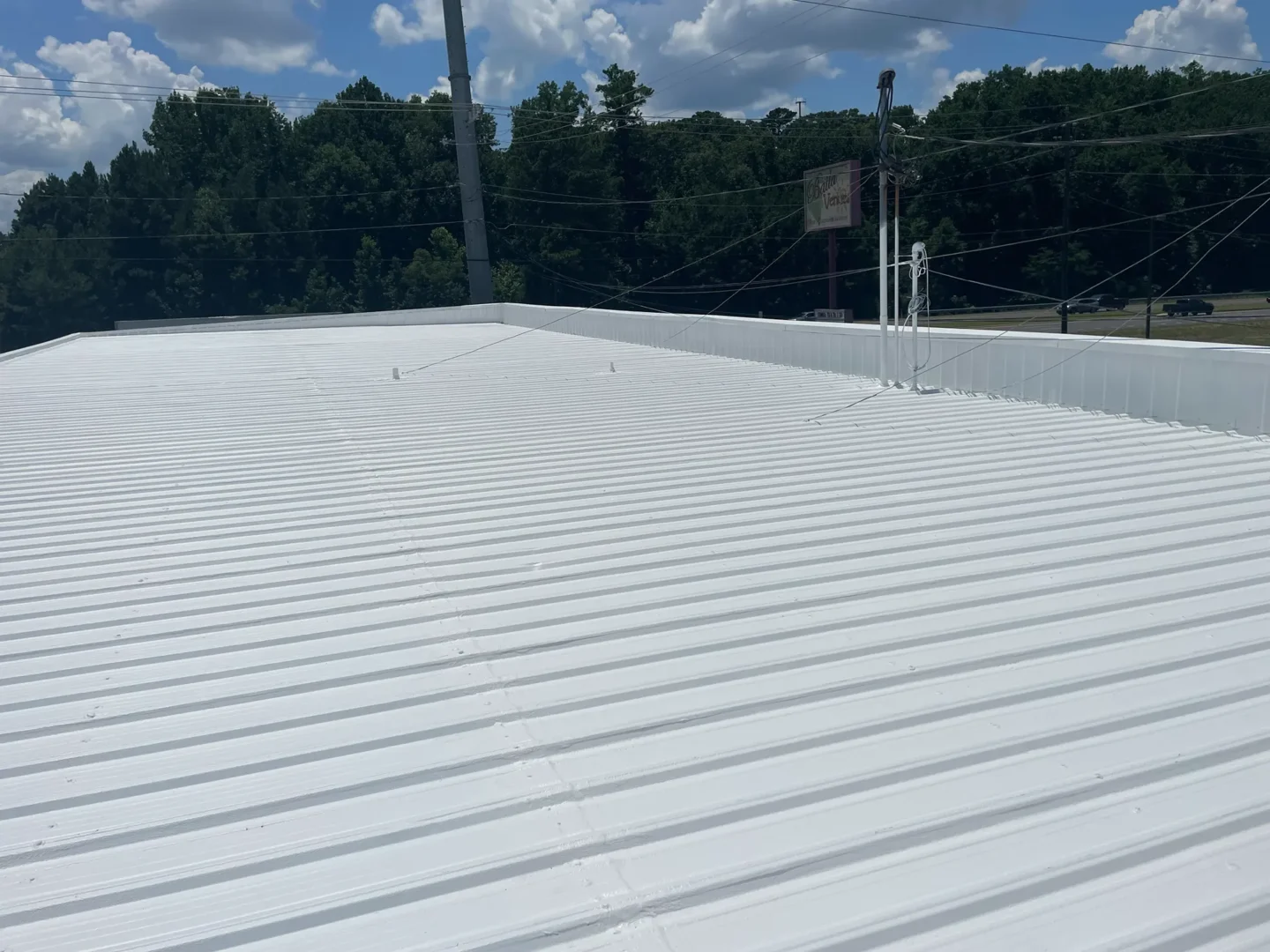
Recent Built-Up Roofing Work
FAQ
Built-Up Roofing — Common Questions
A built-up roof, or BUR, is the classic tar-and-gravel system. It’s made of multiple alternating layers of asphalt bitumen and reinforcing fabric, topped with gravel or a cap sheet. Those layers bond into one thick, redundant, waterproof membrane built for flat and low-slope commercial roofs.
A properly installed and maintained BUR roof typically lasts 20 to 30 years. The multi-ply construction and protective gravel surface help it hold up well against Georgia’s sun, heat, and rain. Routine inspections and minor upkeep can push it toward the upper end of that range.
The strength is in the redundancy. Because BUR uses several bonded plies instead of a single layer, water has to breach multiple barriers to reach the deck. If one ply is ever compromised, the layers beneath keep doing their job, which makes leaks far less likely on flat roofs.
BUR is heavier than single-ply systems because of its multiple plies and gravel surfacing, so the structure needs to support that load. Most commercial buildings designed for flat roofs handle it fine, but we always evaluate your deck and structure first before recommending BUR.
BUR is a thick, multi-ply system with excellent foot-traffic resistance, while TPO is a lightweight, reflective single-ply membrane that installs quickly and runs cooler. The best fit depends on your priorities. You can learn more about our TPO roofing option or contact us to compare both for your building.
AREAS WE SERVE
Serving West & Central Georgia
From Thomaston to Macon, Columbus, Griffin, LaGrange, and beyond.
Get Your Free Commercial Roof Inspection
Tech-driven inspection, honest assessment, clear plan — no pressure, no replacement-pushing.